
Was John Lennon “Insanely Jealous” of Paul McCartney?
John Lennon and Paul McCartney — names forever intertwined in music history as two of the greatest songwriters the world has ever known. Their partnership in The Beatles created timeless classics, shaped the sound of a generation, and revolutionized popular music. But behind the harmony of their collaboration lay a complex and sometimes turbulent relationship. A question that has intrigued Beatles fans and music historians alike is: Was John Lennon “insanely jealous” of Paul McCartney?
The Brothers in Arms of Rock ‘n’ Roll
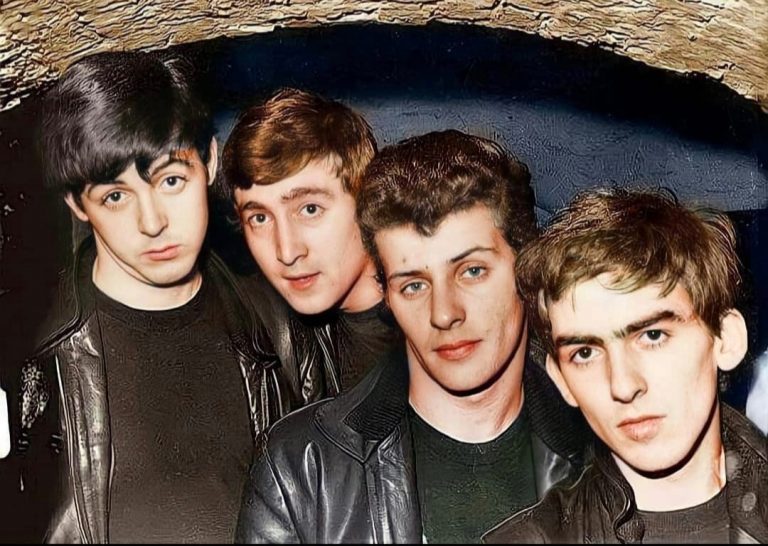
From the early days as two young boys sharing guitars in Liverpool to their final moments recording together at Abbey Road Studios, Lennon and McCartney’s relationship was much like that of brothers — full of love, rivalry, and occasional tension. They always took their music seriously but wanted to have fun with it, allowing creativity and spontaneity to guide their work rather than forcing ideas.
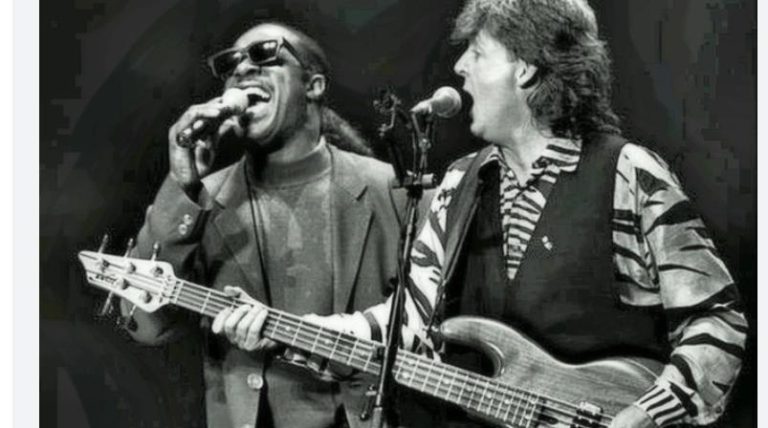
After The Beatles split, their solo careers diverged dramatically. Paul McCartney found enormous commercial success with Wings, delivering hit after hit and filling stadiums worldwide. Meanwhile, John Lennon’s solo work, though critically acclaimed with masterpieces like Imagine and Mind Games, didn’t always capture the public’s attention in the same way.
The Turning Tide: McCartney’s Commercial Success vs Lennon’s Artistic Path
In the mid-1970s, the dynamic between Lennon and McCartney shifted. While Lennon was going through personal challenges, including a rocky period with Yoko Ono and a temporary retreat from music, McCartney was dominating the charts. Albums like Band on the Run and Wings hits such as Jet and Let ‘Em In were winning over fans and critics alike.
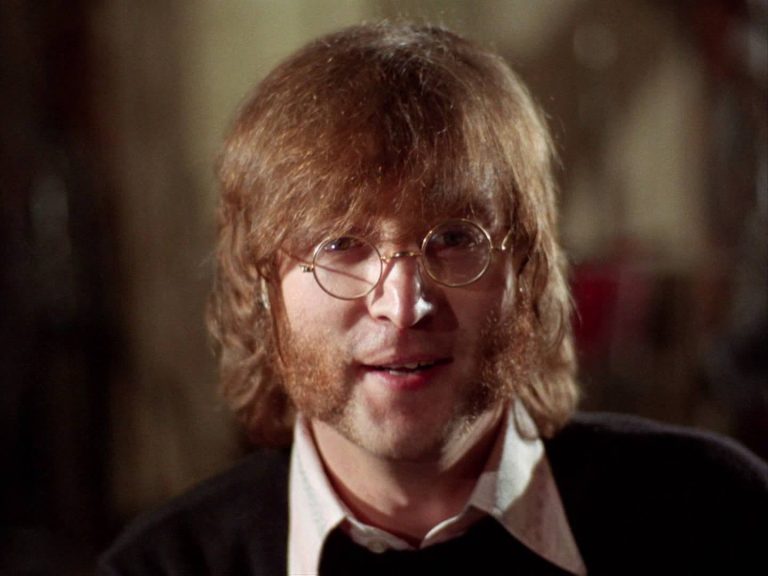
This success led to speculation about Lennon’s feelings toward McCartney’s rising popularity. According to Elliot Mintz, a close friend of Lennon’s, John became “insanely jealous” of the attention, accolades, and large stadium audiences McCartney was enjoying during Lennon’s hiatus from music between 1975 and 1980.
Was It Really Jealousy?
While the word “jealousy” might capture some of Lennon’s feelings, the reality was more nuanced. Lennon wasn’t necessarily envious of McCartney’s success for the sake of fame or money alone. He was more concerned about the public’s musical tastes and reception.
John Lennon was an artist deeply invested in music as a tool for awakening and provoking thought. He sought to challenge listeners and often created introspective, socially conscious songs. In contrast, McCartney’s music had a lighter, more upbeat tone that resonated widely, which might have left Lennon feeling somewhat frustrated that his more serious messages were less embraced by the mainstream.
Moreover, Lennon was not comfortable on the live stage. He played very few solo shows after 1973 and experienced stage fright even when performing with Elton John. Thus, the spectacle of McCartney’s stadium tours was probably not something Lennon desired personally, which adds another layer to their dynamic.
The Enduring Bond Beyond Rivalry
Despite any jealousy or resentment, Lennon’s admiration for McCartney never faded. Their complicated friendship had survived the turbulent breakup of The Beatles, years of silence, and personal struggles. The camaraderie forged by their shared history and extraordinary creative partnership ran deep.
The tragedy is that Lennon did not have enough time to fully reunite creatively with McCartney after their reconciliation during the Double Fantasy era. The synergy they rediscovered in those final months hints at what might have been if fate had allowed them more years together.
Conclusion: A Tale of Two Musical Giants Forever Linked
John Lennon and Paul McCartney’s relationship cannot be reduced to simple jealousy or rivalry. It was a rich, evolving bond filled with love, competition, mutual respect, and artistic differences. Lennon’s brief feelings of jealousy towards McCartney’s success were part of a larger story — one about two friends navigating their identities, careers, and emotions after decades of shared history.
Their spirits remain forever linked, immortalized in the music they created that continues to inspire generations. Whether in harmony or tension, Lennon and McCartney’s story is a testament to the power of collaboration and the enduring complexity of human relationships.

One Comment