Why did John Lennon leave the Beatles?
John Lennon’s departure from the Beatles marked a significant moment in music history, signaling the end of one of the most iconic bands of all time. The decision to leave the Beatles was multifaceted and influenced by various factors. Let’s explore the reasons behind John Lennon’s departure:
Why did John Lennon quit and broke up Beatles
- Creative Differences: As the Beatles evolved musically, creative differences began to emerge among the band members. Lennon, along with Paul McCartney, had been the primary songwriters and creative forces behind the group. However, their diverging artistic visions and approaches to music started to create tensions. Lennon desired a more experimental and politically engaged direction, while McCartney favored a more accessible and commercially oriented sound. These contrasting views contributed to a growing rift within the band.
- Personal Relationships and Dynamics: Lennon’s relationship with Yoko Ono, whom he married in 1969, played a significant role in his decision to leave the Beatles. Ono’s presence during band rehearsals and recording sessions was perceived by some as disruptive, intensifying the existing tensions within the group. Lennon’s commitment to Ono and their artistic collaboration, known as the Plastic Ono Band, also diverted his attention away from the Beatles and further strained relationships within the band.
- Business Disputes and Legal Matters: The Beatles faced complex legal and financial issues during their later years. Their company, Apple Corps, encountered financial difficulties, and disagreements arose regarding managerial decisions and the handling of their business affairs. These disputes added to the mounting frustrations within the group and contributed to a sense of disillusionment among the band members.
- Personal Growth and Burnout: After years of intense touring, recording, and relentless media attention, the Beatles faced a period of exhaustion and burnout. Lennon, in particular, expressed a desire to explore his individual identity beyond the confines of the band. He sought personal and artistic growth, wanting to break free from the expectations and pressures associated with being a Beatle. This longing for independence and self-expression ultimately influenced his decision to leave the group.
- The End of an Era: Lennon’s departure marked the end of an era for the Beatles. The band had achieved unprecedented success, but the strains within the group had become increasingly evident. Lennon’s decision to leave reflected a culmination of internal conflicts and the desire for new artistic ventures.

The official announcement of the Beatles’ breakup came in April 1970, with the release of Paul McCartney’s self-titled album, which included a statement declaring his departure from the band. While the breakup saddened fans worldwide, it also marked the beginning of each member’s solo careers and their individual contributions to the world of music. Despite the breakup, the Beatles’ impact and legacy have continued to endure, influencing generations of musicians and remaining an integral part of music history.
It’s important to note that the breakup of the Beatles was a complex and multifaceted event influenced by a combination of factors. While Lennon played a significant role in the band’s dissolution, it was ultimately a collective decision among the members. The breakup marked the end of an extraordinary musical journey, but it also allowed Lennon and the other Beatles to pursue successful solo careers and explore their individual artistic paths.

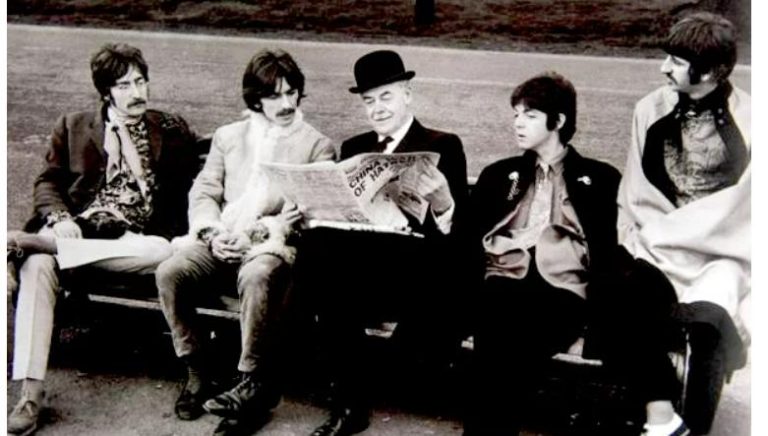
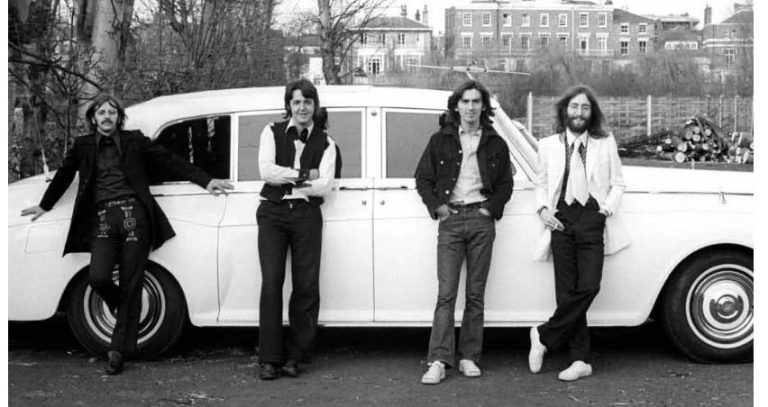
John Lennon left the Beatles due to personal and creative differences, leading him to seek a new direction in his life and career.