Why John Lennon and Todd Rundgren Had a Bitter Feud
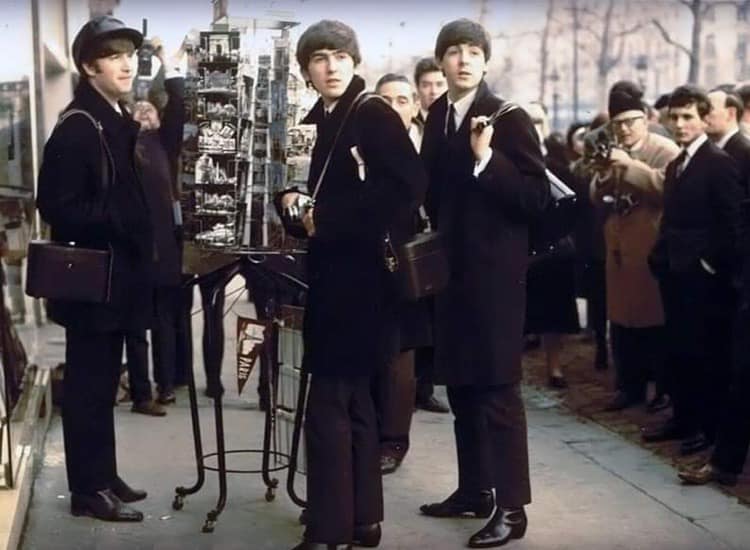
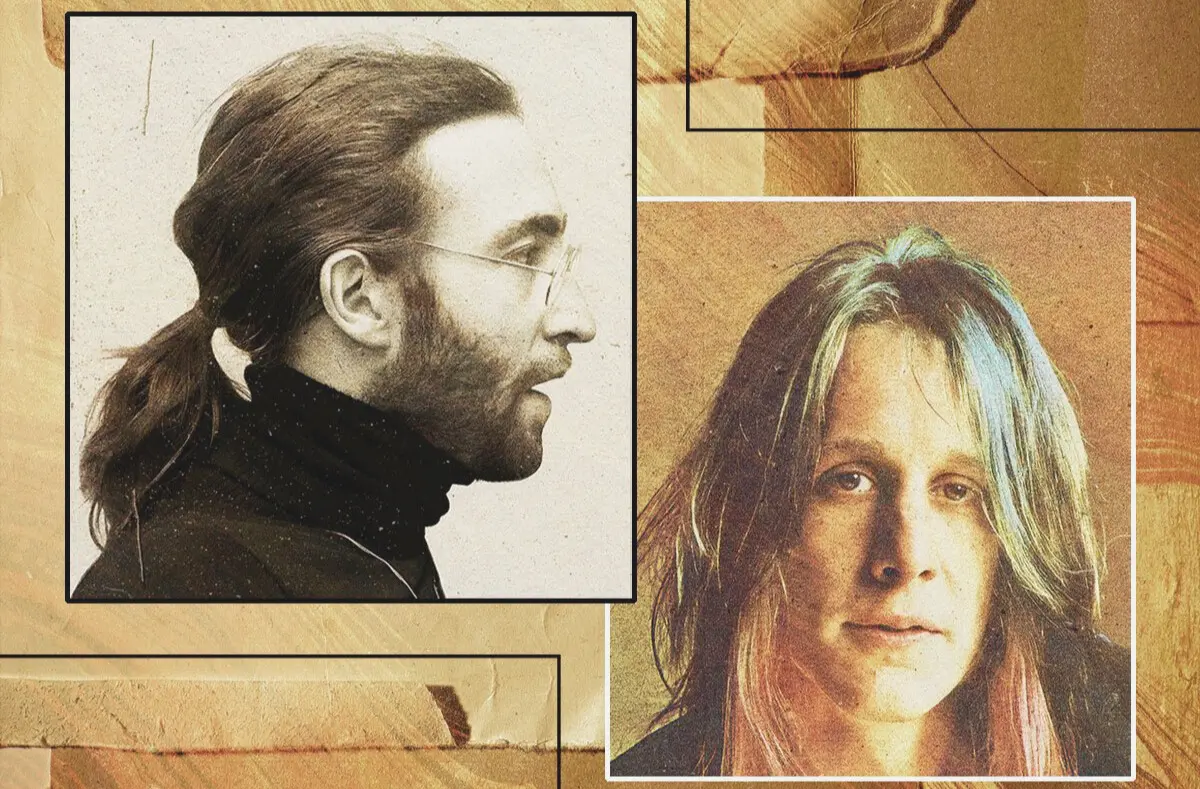
John Lennon was never known for holding back. Whether criticizing his own Beatles songs or taking shots at fellow musicians, the outspoken “Intellectual Beatle” was quick to voice his opinions. But one of his most publicized clashes in the 1970s came with an unlikely rival: Todd Rundgren, the multi-instrumentalist and songwriter behind hits like “Hello It’s Me” and “I Saw the Light.”
Rundgren’s Criticism of Lennon
As Lennon entered his solo years with powerful albums like Plastic Ono Band (1970) and Imagine (1971), he embraced his role as a peace activist. However, Rundgren wasn’t convinced by Lennon’s political messaging. In a bold 1974 Melody Maker interview, Rundgren dismissed Lennon’s activism as self-serving, stating:
“All he really wants to do is get attention for himself, and if revolution gets him that attention, he’ll get attention through revolution.”
He even compared Lennon to U.S. President Richard Nixon, suggesting both were figures more concerned with their own image than true ideals. Rundgren also took aim at The Beatles’ reputation, claiming:
“The Beatles had no style other than being the Beatles.”
Musical Attacks: ‘Rock and Roll Pussy’
Rundgren’s criticism wasn’t limited to words. He recorded the controversial track “Rock and Roll Pussy”, which many fans interpreted as a jab at Lennon. Though Rundgren never confirmed the target, the song’s mocking tone of televised revolution lined up closely with his earlier comments about Lennon.
Lennon Strikes Back
Never one to stay silent, John Lennon retaliated with a famously scathing open letter, printed in Melody Maker. Mocking Rundgren by calling him “Sodd Runtlestuntle,” Lennon tore apart his accusations one by one.
On Rundgren’s claim that Lennon sought attention through revolution, Lennon shot back:
“I guess we’re all looking for attention Rodd, do you really think I don’t know how to get it, without ‘revolution’? I could dye my hair green and pink for a start!”
He also reminded Rundgren that he spoke only for himself, writing:
“I don’t represent anyone but my SELF. It sounds like I represented something to you, or you wouldn’t be so violent towards me. (Your dad perhaps?).”
A Complicated Rivalry
Ironically, Lennon later admitted Rundgren had a point about his contradictions. Lennon was aware of his own temper and violent past, and much of his later work — especially on Double Fantasy with Yoko Ono — reflected a more peaceful and introspective phase.
For his part, Rundgren’s career continued to thrive throughout the 1970s, and despite their feud, he eventually found common ground with The Beatles’ circle. He later joined Ringo Starr’s All-Starr Band for several tours, proving that while he clashed with Lennon, his connections to Beatles history endured.
Legacy of the Lennon–Rundgren Feud
The conflict between John Lennon and Todd Rundgren highlighted the intensity of the 1970s rock scene, when musicians weren’t afraid to openly challenge one another in the press. While both artists remained critical of each other, they also shared a reputation for fearless authenticity.
Decades later, the Lennon–Rundgren feud is remembered less as a bitter rivalry and more as a fascinating moment in rock history — when two uncompromising voices collided at the height of their creative powers.