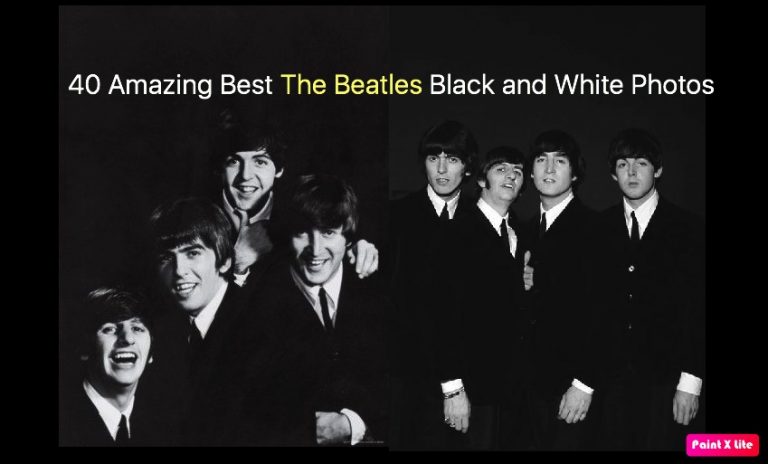
Peter Jackson’s Meticulous 4K Restoration of The Beatles’ 1970 “Let It Be” Film Premieres on Disney+
For more than five decades, Michael Lindsay-Hogg’s 1970 documentary film Let It Be stood as the most elusive, mythologized, and misunderstood artifact in the entire Beatles canon. Having slipped out of official theatrical and home-video distribution in the early 1980s, the film survived only in grainy, low-contrast bootlegs passed among collectors. Its historical reputation was darkened by timing: released in May 1970 just weeks after Paul McCartney announced the band’s dissolution, the documentary was perceived through a somber, sorrowful lens as the visual chronicle of a bitter divorce.
Now, through a collaborative restoration spearheaded by Apple Corps, original director Michael Lindsay-Hogg, and Oscar-winning director Peter Jackson, Let It Be has officially debuted worldwide on Disney+ in stunning, fully restored 4K clarity. Far from the dreary obituary of popular lore, the newly unearthed film reveals a vibrant, intimate portrait of four extraordinary musicians rediscovering their roots, cracking jokes, and performing with unmatched telepathic power.
Re-evaluating Lindsay-Hogg’s Original Vision
When Peter Jackson released his acclaimed eight-hour docuseries The Beatles: Get Back in 2021—revisiting the original January 1969 film reels—it completely revolutionized modern perceptions of the Twickenham Film Studios and Apple basement recording dates. Where myth claimed only cold hostility, Jackson demonstrated genuine camaraderie, creative joy, and artistic brotherhood.
However, Jackson was always emphatic that his series was never intended to replace Michael Lindsay-Hogg’s original 80-minute theatrical cut. Instead, Jackson viewed the two projects as reciprocal companions. In Let It Be, Lindsay-Hogg constructed an impressionistic, fly-on-the-wall cinema verité experience without narrator or talking heads, letting viewers linger in the room as Lennon and McCartney trade vocal harmonies on “Two of Us” into a single microphone.
As examined in our comprehensive retrospective on the untold true story of The Beatles’ final rooftop concert, the performance captured at 3 Savile Row serves as the glorious climax to this restored masterpiece.
Technological Alchemy: 16mm Camera Negatives and MAL Demixing
Restoring vintage 16mm reversal film stock to modern 4K HDR television screens was an immense technical achievement executed by Jackson’s team at Park Road Post Production in New Zealand. Technicians painstakingly scanned the original camera negatives, conducting meticulous photochemical color balancing and manual dirt removal. Unlike earlier heavy-handed digital DNR treatments, the new transfer preserves organic film grain and shadow texture, making the London winter of 1969 look as vibrant and immediate as yesterday afternoon.
Equally transformative is the audio overhaul. Utilizing the revolutionary Machine-Assisted Learning (MAL) audio de-mix technology that also enabled the recent recovery of Paul McCartney’s stolen 1961 Höfner bass and the historic Grammy-winning triumph of “Now and Then”, audio engineers deconstructed the original mono and stereo nagra field audio feeds, separating Billy Preston’s soulful Rhodes electric piano from Ringo’s crisp snare hits and Lennon’s gritty rhythm chords into a crystal-clear Dolby Atmos mix.
The Rooftop Concert in Unrivaled High Definition
The undisputed highlight of the restored film is the climactic lunchtime concert staged high above the London rooftops on January 30, 1969. Braving freezing winds in stylish winter coats, The Beatles tear through blistering, raw performances of “Get Back,” “Don’t Let Me Down,” and “I’ve Got a Feeling” with all the ferocious swagger of their early Hamburg club days.
Seeing John Lennon grin as he catches Paul McCartney’s eye during an improvised vocal break dispels decades of negative hyperbole. Fifty-four years after its initial misunderstood release, Let It Be has finally been restored to its rightful throne: a priceless time capsule capturing the world’s greatest rock and roll band playing live together for the very last time.