Today in Beatles History: The May 20 Milestones That Defined the Fab Four
For music fans, the history of The Beatles is a sprawling, decade-long epic filled with revolutionary albums, global tours, and cultural shifts. While every month has its share of milestones, certain calendar days stand out for how perfectly they capture the different eras of the band’s career.
May 20 is one of those dates.
Looking back at this day in Beatles history allows us to trace their entire trajectory. On this day in 1960, they were a struggling local band embarking on their first minor tour. In 1967, they were at their creative peak, clashing with the establishment as the BBC banned their latest masterpiece. And in 1970, the story came to a bittersweet close as their final film premiered in U.K. theaters.
Here is the complete chronological breakdown of what happened “Today in Beatles History.”
May 20, 1960: The Silver Beatles Begin Their First Tour
Before they were international icons, the band was a five-piece group from Liverpool trying to find their footing. Having failed an audition to back pop star Billy Fury, they were offered a consolation prize: backing singer Johnny Gentle on a brief tour of Scotland.
On May 20, 1960, the tour officially kicked off at Alloa Town Hall, northwest of Edinburgh. Billing themselves as the Silver Beatles, the lineup consisted of John Lennon, Paul McCartney, George Harrison, bassist Stuart Sutcliffe, and drummer Tommy Moore.
The tour was a chaotic, unpolished affair. The band had barely rehearsed with Gentle, Stuart Sutcliffe played with his back to the audience to hide his basic bass skills, and within days, their van would crash, sending their drummer to the hospital.
Despite the hardships, this tour gave the teenagers their first taste of the rock-star life, prompting Paul and George to adopt stage names (Paul Ramon and Carl Harrison). It was a messy beginning, but it laid the foundation for the professional live band they would soon become.
May 20, 1967: The BBC Bans “A Day in the Life”
By 1967, The Beatles had retired from touring and were spending months in the studio crafting what would become their magnum opus, Sgt. Pepper’s Lonely Hearts Club Band. The album was scheduled for release on June 1, and anticipation was at an all-time high.
On May 20, 1967, the British Broadcasting Corporation (BBC) made a shocking announcement: they were officially banning the album’s epic closing track, “A Day in the Life,” from radio airplay.
The BBC censors took issue with the line, “I’d love to turn you on,” which was sung by John Lennon and followed by a massive, chaotic orchestral swell. The broadcaster claimed that the phrase was an explicit reference to drug use and could encourage listeners to take illegal substances.
The ban created a massive news story, giving the album free publicity just days before its release. Both John Lennon and Paul McCartney publicly defended the song, arguing that the line was about turning people on to truth and music, not drugs.
Ironically, on the very same day the ban was announced, John, Paul, and Ringo Starr visited the BBC studios to record interviews for the radio program Where It’s At, demonstrating the complicated, love-hate relationship the band had with the British establishment.
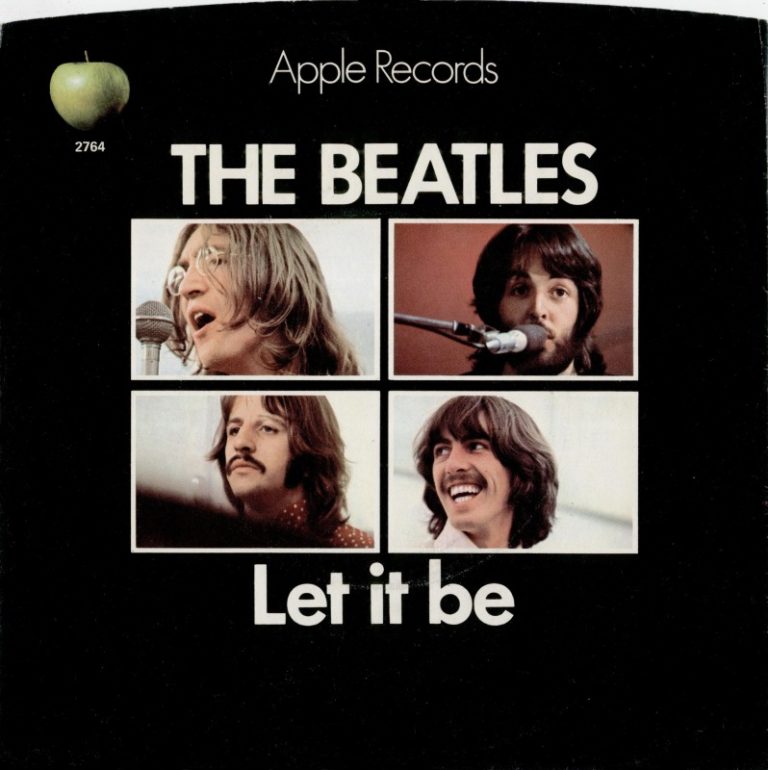
May 20, 1970: The U.K. Premiere of “Let It Be”
Three years after the creative triumph of Sgt. Pepper, the atmosphere surrounding the band had turned sour. Internal tensions, business disputes, and creative differences had pulled the group apart. In April 1970, Paul McCartney publicly announced that he was leaving the band, signaling the official end of The Beatles.
On May 20, 1970, their documentary film Let It Be opened in theaters across the United Kingdom, playing at the London Pavilion and the Liverpool Gaumont Cinema.
The film, directed by Michael Lindsay-Hogg, captured the band during their January 1969 rehearsals and recording sessions. While it concluded with the legendary rooftop concert, much of the film documented the cold, tense, and uncomfortable interactions between the band members as they struggled to communicate.
The premiere was a somber event. Unlike the glittering, screaming premieres of A Hard Day’s Night (1964) and Help! (1965), not a single member of The Beatles attended the screening. The film stood as a bittersweet epitaph for the greatest band in the world, showing fans the reality of their dissolution just as they were officially parting ways.
The Evolution of the Fab Four
When we look at May 20 across these three decades, we see the full life cycle of The Beatles.
We see the young, ambitious teenagers in Scotland in 1960, dreaming of fame. We see the boundary-pushing artists of 1967, challenging cultural norms and creating timeless art. And we see the quiet, melancholic end of the band in 1970, as their final document is released to a world that was still processing their breakup.
Few calendar dates capture the rise, peak, and fall of a musical phenomenon quite like May 20 does for The Beatles.
Which of these three eras is your favorite? Do you prefer the early rockabilly energy of 1960, the psychedelic innovation of 1967, or the raw honesty of 1970? Let us know in the comments below!