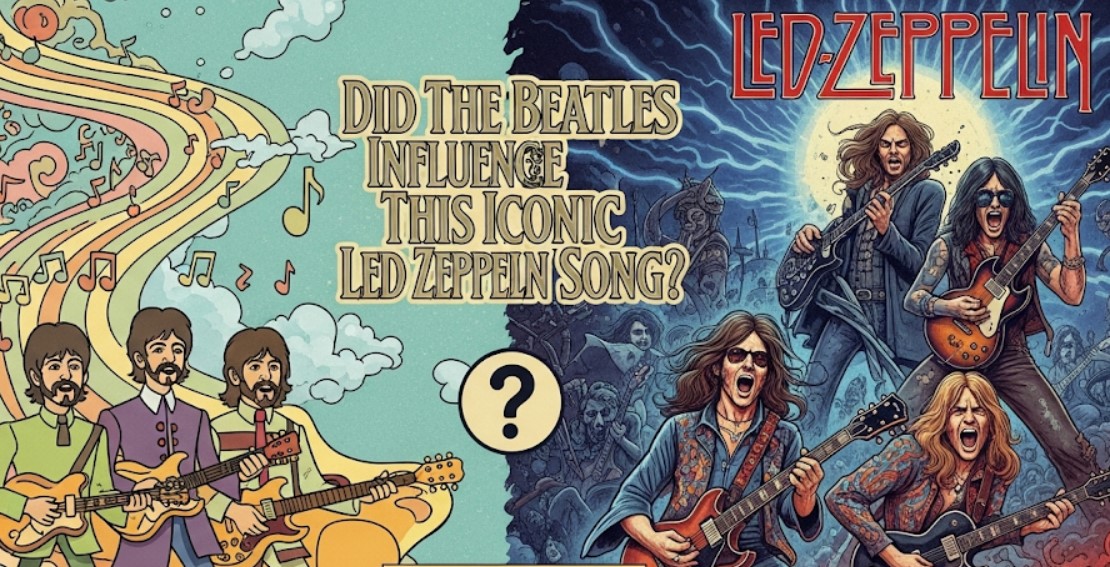
Did The Beatles Influence This Iconic Led Zeppelin Song? Music History Revisited
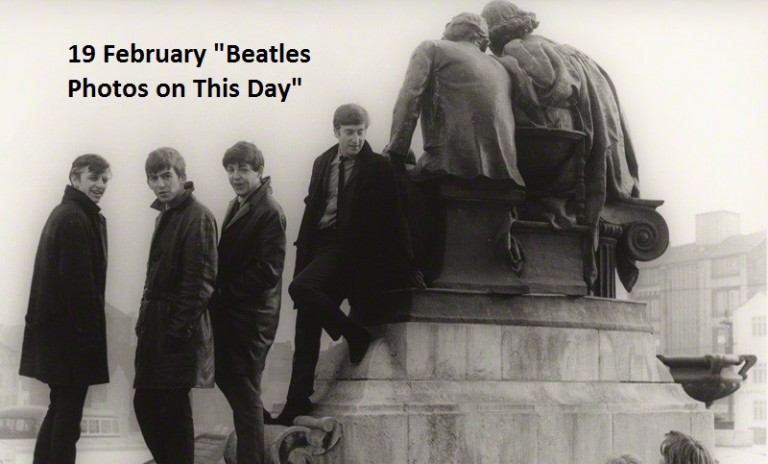
The Beatles’ shadow looms large over rock history, inspiring countless artists across genres, from psychedelic pop to the early seeds of heavy metal. Even legends like Black Sabbath’s Ozzy Osbourne openly credit The Beatles with shaping their creativity. But one question still fascinates fans and critics alike: Did The Beatles inspire one of Led Zeppelin’s most famous tracks?
Jimmy Page on The Beatles’ Lasting Cultural Impact
In a 1976 interview, Jimmy Page, Led Zeppelin’s legendary guitarist, reflected on the influence of The Beatles—not just musically, but socially.
Page remarked:
“Certainly, at the time, the social question posed by The Beatles, with the long hair and the sandals—it was cool then—it had a lot of impact. A lot of change went down, a lot of social barriers. We broke down class barriers, even though it may have been resented afterwards. But nevertheless, The Beatles helped to do that.”
He also praised their rapid artistic development:
“Over the years, they were musically prominent and productive. They showed so much maturity within their music during the years they were together. Let’s face it, the early records aren’t really anything to write home about. But by the time they got to Magical Mystery Tour, it was really going somewhere.”
Page’s comments highlight how impossible it was for any serious musician in the 1960s and 70s to ignore The Beatles’ influence, whether consciously or unconsciously.
The Beatles vs. Led Zeppelin: Musical Similarities
While Jimmy Page never explicitly admitted to drawing inspiration directly from The Beatles, music historians have long pointed out the staggering resemblance between The Beatles’ “While My Guitar Gently Weeps” (written by George Harrison and released in 1968 on the White Album) and Led Zeppelin’s “Babe I’m Gonna Leave You”, which appeared on their 1969 debut.
Both songs share a strikingly similar chord progression toward their climaxes. This similarity sparked debates among fans and critics: Was it inspiration, coincidence, or just a case of two great minds thinking alike?
Interestingly, Led Zeppelin’s version of Babe I’m Gonna Leave You was actually a reimagined cover of a 1950s folk track originally popularized by Joan Baez. However, Zeppelin’s haunting, hard-rock version became a definitive staple of their career.
Could Zeppelin Have Heard It First?
Here’s where it gets even more intriguing: The Beatles’ White Album wasn’t officially released until late 1968, just before Zeppelin’s debut was recorded. Yet, given how intertwined London’s music circles were, it is plausible that Page, Plant, or Jones may have heard early versions of Harrison’s composition.
Still, most experts lean toward coincidence, noting that both tracks evolved from common folk-inspired chord structures circulating in the late 1960s.
Jimmy Page Denies Specific Claims
Adding another twist, Zeppelin’s former tour manager, Richard Cole, once claimed that Robert Plant played a major role in shaping the riffs of Babe I’m Gonna Leave You. Page firmly rejected this idea, recalling instead how he had played the piece in his private jam sessions:
“I used to do the song in the days of sitting in the darkness playing my six-string behind Marianne Faithfull.”
This statement reinforces the belief that Zeppelin’s take on the track was rooted in Page’s personal interpretation of folk traditions, rather than directly lifted from The Beatles.
Legacy: Shared Influence, Not Imitation
Ultimately, the similarities between the two songs may be more about shared cultural DNA than direct borrowing. Both The Beatles and Led Zeppelin thrived on experimentation, pushing boundaries and reshaping what rock music could be.
The Beatles provided the blueprint, smashing conventions in the 1960s, while Led Zeppelin built upon that foundation, carving out a heavier, darker sound that would inspire generations of rock and metal musicians.
So, was Led Zeppelin directly inspired by The Beatles’ “While My Guitar Gently Weeps”? The truth may never be fully known—but one thing is certain: both songs remain timeless testaments to the brilliance of their creators.