Nina Simone on Why She Believed The Beatles Were “Very Lucky”
By the late 1960s, Nina Simone and The Beatles were both global cultural figures — but their journeys could not have been more different. Simone began her career in the mid-1950s, performing jazz and blues covers in segregated clubs, often for little pay, while battling systemic racism at every turn.
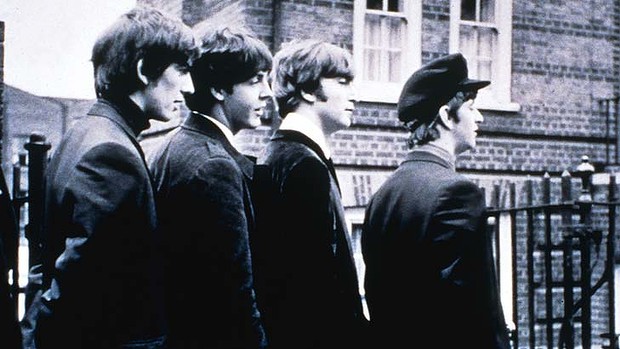
Meanwhile, The Beatles rode the British rock wave to international superstardom, making their U.S. debut on The Ed Sullivan Show in 1964 and quickly dominating the pop landscape.
“The Beatles Are Lucky, Very Lucky”
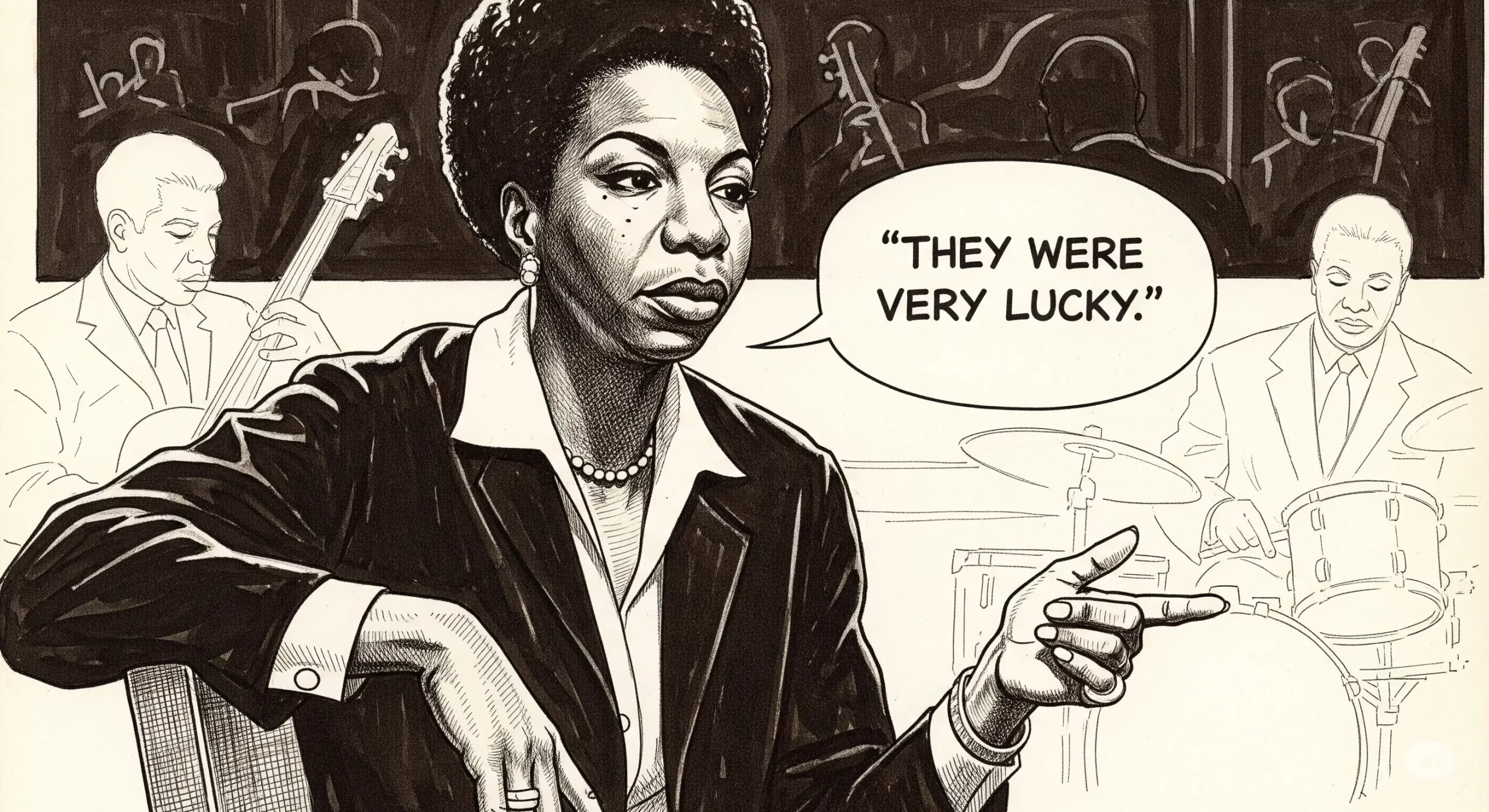
In a 1968 interview with Down Beat Magazine, Simone offered her blunt assessment of the Fab Four’s success:
“The Beatles are lucky, very lucky. But what has happened to them has nothing to do with them, in a sense. They came along at the right time. Attention was focused on them. They’ve had the chance to grow in almost any direction they wanted. Very lucky.”
For Simone, The Beatles weren’t necessarily more talented than other artists of the era — they simply benefited from timing, privilege, and freedom to experiment.
Talent vs. Opportunity
Simone continued:
“They are not exceptionally talented. Uh uh. They may be. But they are just starting to create. They have just discovered that they have talent, friend. Fate was good enough to give them time to think about their talent, to develop it as they please, without fighting everybody around them.”
Unlike the Beatles, Simone’s career was shaped by constant struggles for equality. While Lennon and McCartney were penning pop anthems like “I Want To Hold Your Hand”, Simone was releasing “Mississippi Goddam” — a bold protest song that became an anthem of the Civil Rights Movement, but limited her commercial opportunities.
What Simone Would Have Done With Beatles-Level Freedom
Despite her criticisms, Simone admitted that, with the same resources and platform, she would have explored music just as fearlessly as The Beatles:
“Exactly what the Beatles have done. Except I would have done it before now. There are all kinds of things that can be done. You can change rhythms, you can change chords, you can change whole concepts. But it will only work, on a record or in a performance, if you can make the people buy it.”
Simone even hinted at an unspoken artistic vision she had been forced to hold back:
“If there were no restrictions, the first thing I would have done—six years ago—don’t print this, please… That’s what I would have liked to have done. Would still like to do.”
Legacy Beyond Comparison
While Simone downplayed The Beatles’ innate genius, her words highlighted a larger truth: talent thrives best when artists are given the freedom to create without barriers. The Beatles had that luxury. Nina Simone did not.
Yet, despite these challenges, Simone became one of the most influential musicians and activists of the 20th century — proving that even without “luck,” her voice could change culture forever.