The Beatles’ Most Played Song: How ‘Yesterday’ Became an Unstoppable Cultural Phenomenon
The Beatles are often regarded as the most influential band in music history. But beyond album sales and critical acclaim, how do we truly measure their impact? When compared to modern megastars like Taylor Swift, who has sold over 114 million albums worldwide, The Beatles’ staggering 600 million-plus record sales place them in an entirely different stratosphere. Considering the global population during their peak was just around 3.1 billion—only about 39% of today’s population—their cultural penetration was truly unprecedented. In relative terms, they were approximately 14 times more popular at their height than Taylor Swift is today.
The Beatles and the Cultural Landscape of the 1960s
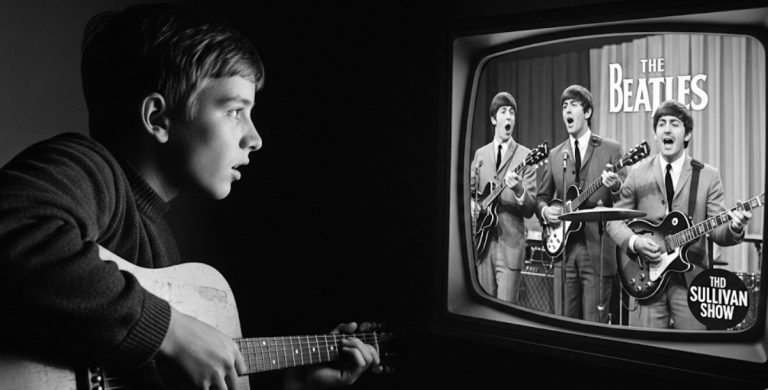
The Beatles’ explosion onto the world stage wasn’t simply a stroke of luck or good timing. They captured the spirit of a generation undergoing monumental social change. In the shadow of tragedies such as the assassination of President John F. Kennedy and amidst the turmoil of the Vietnam War, The Beatles’ upbeat, hopeful music provided a beacon of optimism and a much-needed escape. Their wholesome image, combined with groundbreaking music, helped them become more than just a band—they became cultural icons and symbols of a new era.
Decades later, their music continues to permeate our daily lives. Whether it’s on the radio, television, or online streaming services, The Beatles remain omnipresent. Artists from Billie Eilish to Fontaines D.C. openly acknowledge their debt to the Fab Four, proving that The Beatles’ legacy transcends generations and genres.
So, Which Beatles Song Has Been Played the Most?
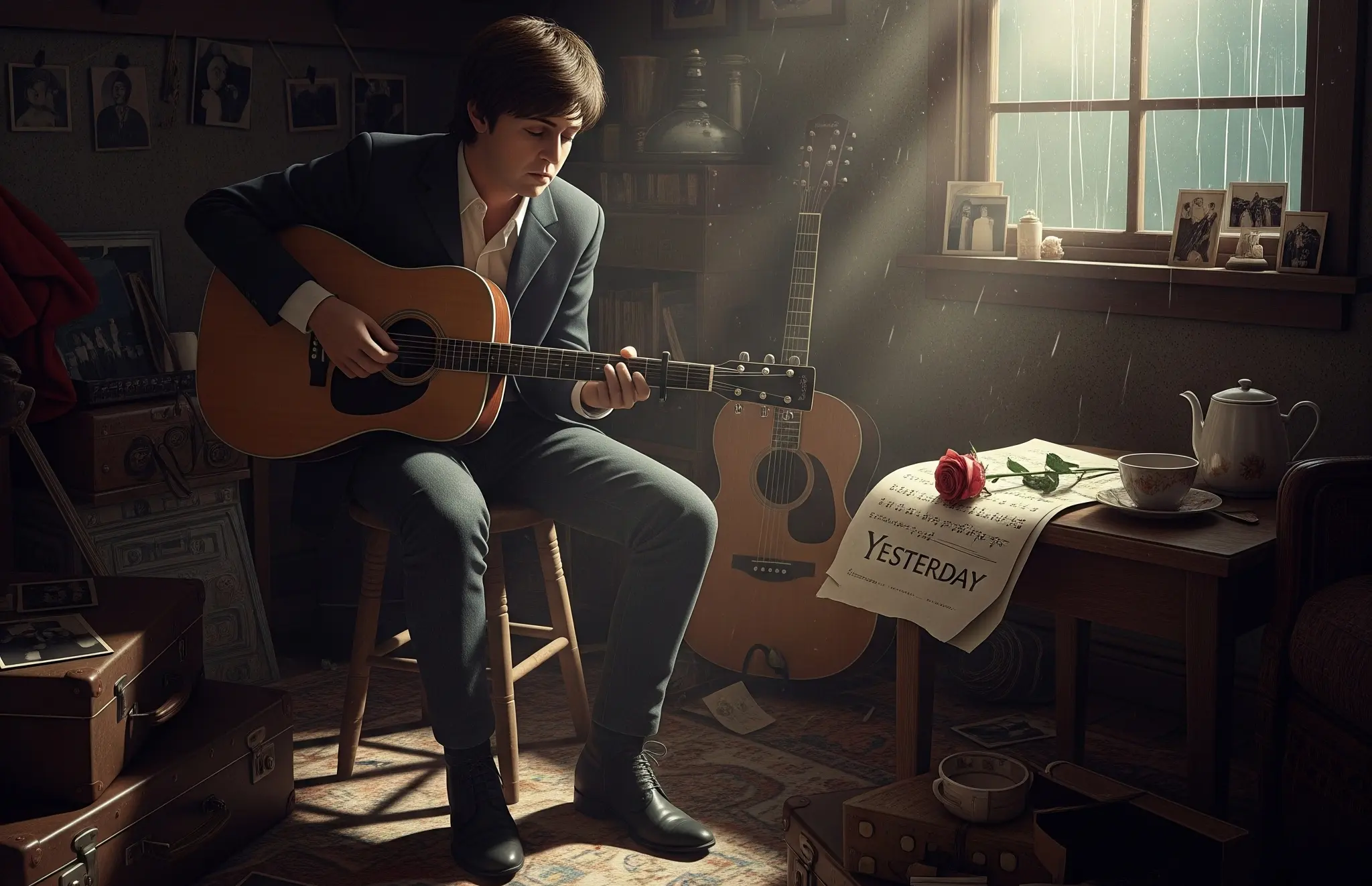
The answer lies in one of their most tender and enduring tracks: “Yesterday.” According to data from BMI (Broadcast Music, Inc.), a leading performing rights organization, “Yesterday” was not only the most-played Beatles song on US radio during the 20th century but also ranked as the third most-played song by any artist. BMI meticulously tracks song plays on radio and television, ensuring songwriters receive appropriate royalties, and their records reflect the immense reach of this ballad.
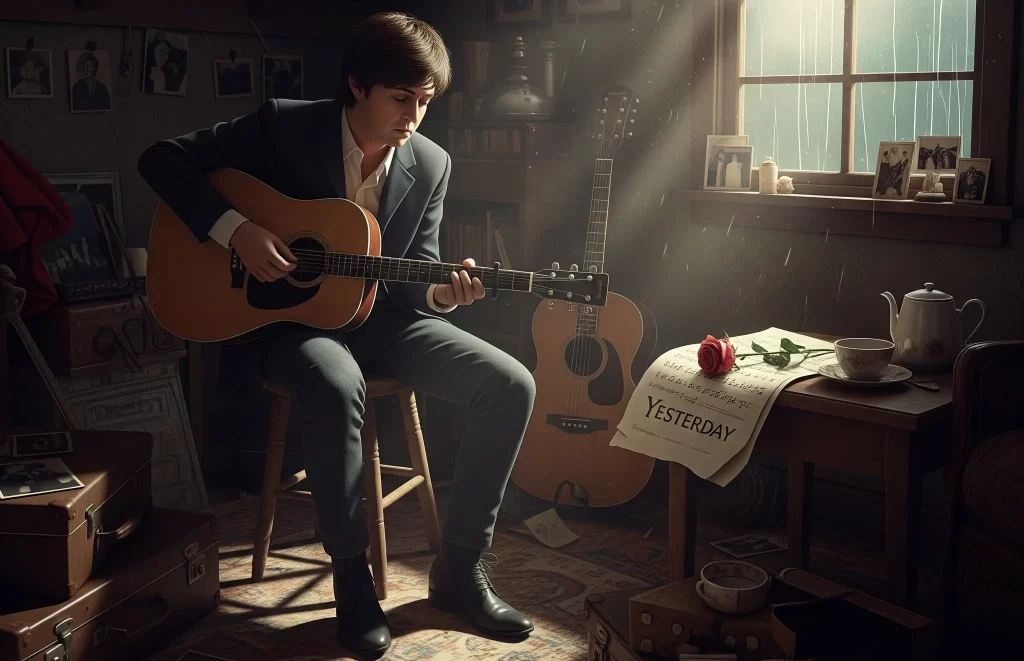
Why ‘Yesterday’?
“Yesterday” is famously known as one of the most covered songs in music history, with thousands of versions recorded across countless genres. Its simple melody, poignant lyrics, and emotional vulnerability struck a chord worldwide, making it a staple of radio playlists and live performances alike. On streaming platforms like Spotify, it consistently ranks among The Beatles’ most popular tracks.
By 2012, “Yesterday” was declared the fourth highest-earning song ever in royalties, an extraordinary achievement considering its release in 1965—an era when copyright enforcement was far less stringent than today.
The Mixed Reactions from Musical Legends
Despite its fame, “Yesterday” wasn’t universally adored by all of The Beatles’ contemporaries. Bob Dylan, for instance, was dismissive, labeling it as ordinary and suggesting that many songs from the Tin Pan Alley era shared similar qualities. Meanwhile, John Lennon offered ambivalent remarks, calling it “beautiful” but also stating, “If you read the whole song, it doesn’t say anything.” He admitted he never wished he had written it himself, branding it as “Paul’s baby.”
Producer George Martin revealed that Paul McCartney was initially hesitant about the title “Yesterday,” fearing it sounded corny. Martin convinced him it worked, and history proved that it did more than just work—it became an anthem of its time.
The Universal Appeal: A Rite of Passage Through Song
Billy Joel eloquently captured the significance of “Yesterday” when reflecting on its impact during his adolescence:
“This was one guy, no drums, no electric guitars, just an acoustic guitar with a string quartet. I recognized that this was something dark, troubling, sad. It was kind of a rite of passage. Life isn’t going to be all roses. It’s going to get dark, and sometimes you’re going to be sad, and you’re going to have to deal with adult feelings.”
This intimate and melancholic ballad introduced a new depth to popular music, contrasting sharply with the upbeat rock ‘n’ roll that dominated the early ‘60s. “Yesterday” resonated with millions as it touched on universal themes of loss, nostalgia, and regret.
Enduring Legacy
More than half a century since its release, “Yesterday” continues to influence artists and listeners alike. Its place as the most played Beatles song is a testament to its timelessness and emotional power. From radio waves to film soundtracks, and from amateur guitarists to professional orchestras, the song remains a cherished part of global music culture.
In an ever-changing musical landscape, “Yesterday” stands as a reminder of The Beatles’ unparalleled ability to create music that transcends time, genre, and generations—an immortal melody that will continue to echo through the ages.