From Wings to Glory: Paul’s Post-Beatles Band Explored
When The Beatles disbanded in 1970, many wondered what could possibly come next for Paul McCartney — the man who had co-written some of the most iconic songs in music history. The answer came in the form of Wings, a new musical chapter that would allow McCartney to experiment, rebuild, and prove himself all over again.
Often underrated and occasionally misunderstood, Wings was far more than just a “post-Beatles side project.” Over a decade, Paul McCartney and Wings released hit records, embarked on ambitious world tours, and carved out a unique sound that blended classic rock, pop, folk, and even proto-indie elements.
Let’s dive into the full story — from Wings Wild Life to Band on the Run, from critical flops to commercial triumphs — and understand why Wings deserves a more prominent place in music history.
The Birth of Wings: Starting From Scratch
After the breakup of The Beatles, Paul McCartney faced both legal and emotional turmoil. Isolated and dealing with depression, he turned inward — and began making music at home. His first two solo albums, McCartney (1970) and Ram (1971), laid the groundwork for what would become Wings.
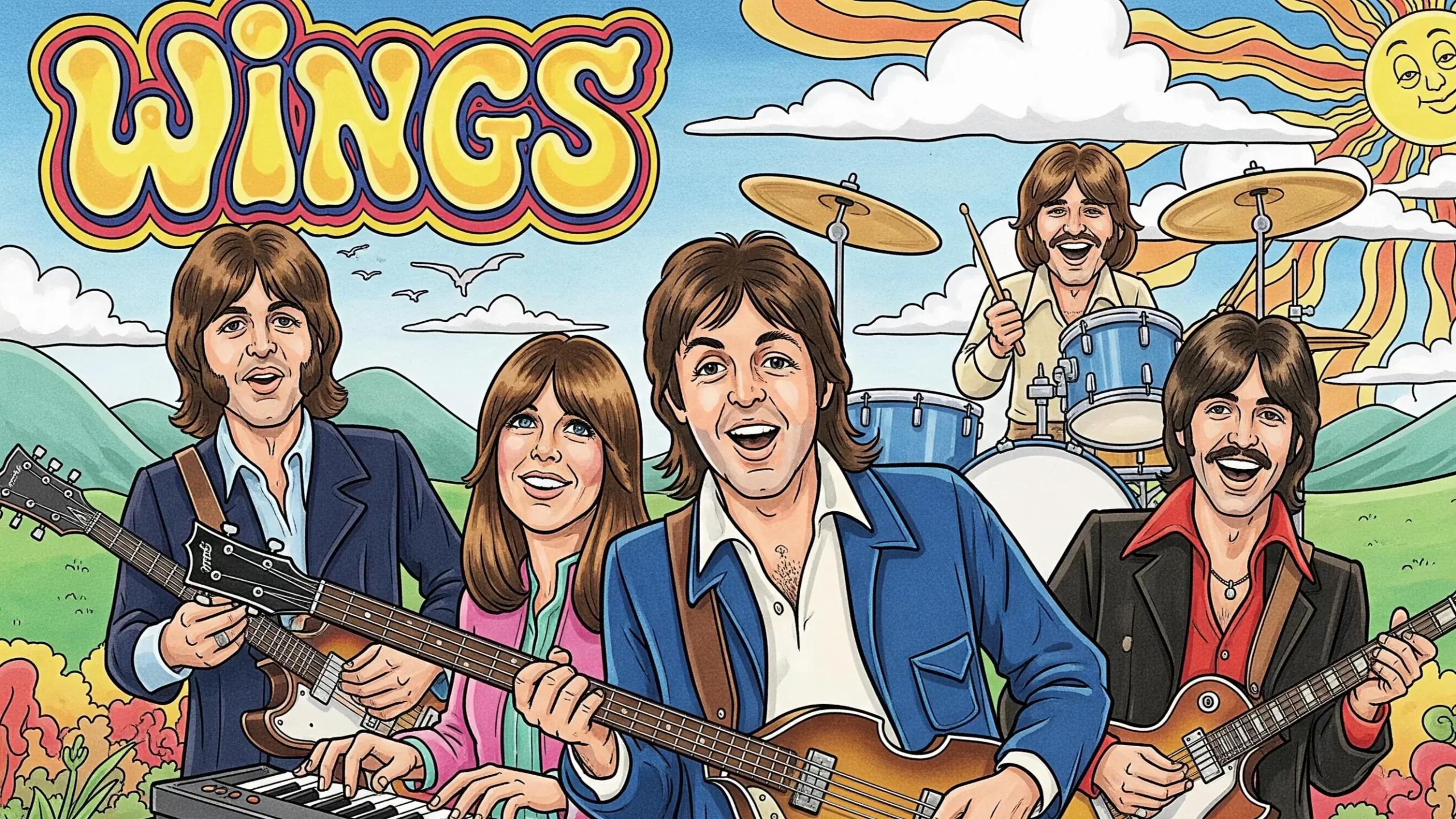
In 1971, McCartney teamed up with his wife Linda McCartney, drummer Denny Seiwell, and former Moody Blues guitarist Denny Laine to form Wings. The band’s first album, Wild Life, was raw, unpolished, and recorded in just a week. Critics weren’t kind, but the album marked an essential reset: McCartney wasn’t trying to be The Beatles — he was trying to evolve.
The Wings Sound: A Genre-Bending Identity
While Wings started off uncertain, they eventually found their voice — a blend of catchy melodies, bluesy guitar, pop structures, and sometimes even a touch of folk or funk. Albums like Red Rose Speedway (1973) and Venus and Mars (1975) began to show the full range of the band’s sound.
McCartney’s gift for melody remained central, but the music often felt looser and more adventurous than his Beatles output. Songs like “Let Me Roll It” and “Jet” featured gritty guitar riffs and experimental vocal stylings that marked a departure from his previous polished pop persona.
Band on the Run: The Turning Point
Everything changed with Band on the Run (1973). Recorded in Lagos, Nigeria under chaotic conditions — with stolen tapes, poor studio quality, and health scares — the album became an artistic and commercial triumph. It hit No. 1 in both the UK and the US and spawned enduring hits like:
- “Band on the Run”
- “Jet”
- “Bluebird”
- “Let Me Roll It”
The album proved that Paul McCartney could make a masterpiece without John Lennon or George Martin — and that Wings could be more than just a post-Beatles curiosity.
Lineup Changes and Constant Evolution
One of the defining characteristics of Wings was its rotating lineup. While Paul and Linda remained the constant core, the band saw various members come and go, including:
- Jimmy McCulloch (guitar)
- Joe English (drums)
- Laurence Juber (guitar)
- Steve Holley (drums)
Each lineup brought different flavors to the sound. While this created challenges in cohesion, it also allowed Wings to explore a variety of musical directions.
Tours and Global Reach
Wings wasn’t just a studio project — they toured extensively, especially with the Wings Over the World tour (1975–76), which was a massive success. This tour cemented Paul McCartney as a stadium-level solo performer in the post-Beatles era.
Highlights included:
- Performances in the US, UK, Australia, and Japan
- Elaborate stage setups and orchestrations
- The iconic Wings Over America live album, which captured the band at its peak
Top Wings Hits That Defined an Era
Wings wasn’t short on hits. Here are just a few of the standout songs that defined their catalog:
- “Live and Let Die” – A James Bond theme that pushed cinematic rock to new heights
- “Silly Love Songs” – A tongue-in-cheek response to critics that became a No. 1 hit
- “My Love” – A soft ballad showcasing Paul’s emotional songwriting and Linda’s keyboard work
- “Listen to What the Man Said” – An upbeat, radio-ready anthem with jazzy undertones
- “With a Little Luck” – A disco-influenced track that topped the US charts in 1978
The End of Wings
By the early 1980s, Wings began to fade. Paul’s growing solo ambitions, internal tensions, and the tragic 1980 death of John Lennon led to the quiet dissolution of Wings in 1981.
Still, in less than a decade, Wings had left a major mark — releasing seven studio albums, earning multiple platinum certifications, and redefining what it meant to be a solo artist after global fame.
The Legacy of Wings Today
While Beatles fans often revere McCartney’s Fab Four era, a growing number of listeners and critics are re-evaluating Wings’ contributions. Many indie and alternative rock artists cite Wings as an influence — not only for their music, but for their ethos: experimentation, personal reinvention, and the courage to take creative risks.
In fact, recent reissues of Ram, Band on the Run, and Venus and Mars have introduced a younger audience to Wings, showcasing their timeless appeal.
Conclusion: More Than Just a Footnote
Paul McCartney’s journey with Wings wasn’t about chasing Beatles glory — it was about building something new. With Linda by his side and a rotating group of collaborators, Wings allowed McCartney to rediscover joy in music, navigate post-Beatles life, and create some of the most enduring rock tracks of the 1970s.
Whether you’re a longtime fan or just discovering their catalog, Wings deserves your attention — not just as Paul McCartney’s “other band,” but as a powerful creative force in its own right.