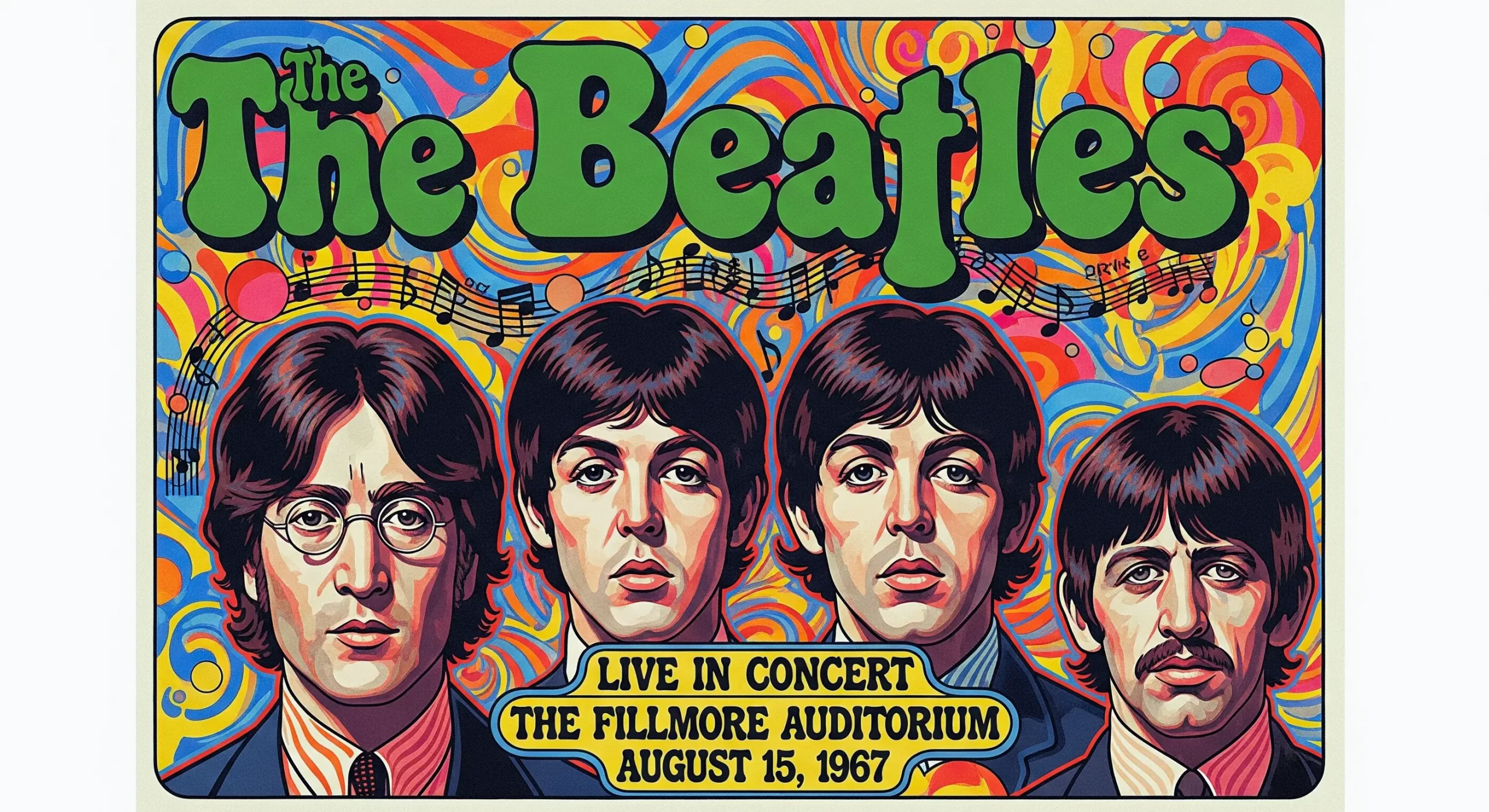
The Hidden Meanings Behind Beatles Lyrics: Decoding the Mystery of Their Timeless Songs
The Beatles didn’t just change music—they revolutionized how we interpret it. Behind their seemingly simple pop lyrics often lie complex emotions, political statements, literary references, and psychedelic imagery. From “Lucy in the Sky with Diamonds” to “While My Guitar Gently Weeps,” the Fab Four frequently wove intricate themes into their lyrics that still captivate fans and scholars today.
In this article, we’ll dive deep into the hidden meanings behind famous Beatles lyrics—revealing surprising insights, decoding metaphors, and understanding what may have really inspired John, Paul, George, and Ringo.
1. “Lucy in the Sky with Diamonds” – A Psychedelic Dreamscape or LSD Code?
Arguably one of the most debated Beatles songs ever, “Lucy in the Sky with Diamonds” instantly caught attention because of its initials: L.S.D. Many believe it’s a psychedelic anthem referencing the hallucinogenic drug.
However, John Lennon insisted the title came from a drawing his son Julian brought home from school, depicting his classmate Lucy. Despite Lennon’s claim, the vivid imagery of “tangerine trees” and “marmalade skies” strongly evokes an LSD trip. Whether intentional or not, the surrealist lyrics became emblematic of the 1960s counterculture.
2. “Blackbird” – A Civil Rights Anthem in Disguise
At first listen, “Blackbird” appears to be a soft acoustic ballad about nature. But Paul McCartney later revealed that the song was inspired by the American Civil Rights Movement.
“Blackbird singing in the dead of night” refers to the struggle of African Americans in the Deep South. McCartney used the blackbird as a metaphor for black women rising up against injustice. A simple song on the surface, but with a powerful message of hope and resilience.
3. “I Am the Walrus” – Nonsense with a Purpose
Perhaps the most bizarre Beatles song ever written, “I Am the Walrus” combines nonsensical wordplay, literary references, and counterculture rebellion.
Lennon reportedly wrote the song to confuse scholars who were trying to overanalyze Beatles lyrics. He once said, “Let the f***ers work that one out.” The song quotes Shakespeare’s King Lear, includes absurd lines like “Yellow matter custard,” and layers sound effects over the music.
Still, “I am he as you are he as you are me” may hint at themes of identity and ego dissolution rooted in Eastern spirituality.
4. “While My Guitar Gently Weeps” – George Harrison’s Cry for Humanity
Written by George Harrison, this haunting song explores themes of spiritual disillusionment and emotional isolation. Harrison once said the inspiration came from randomly opening a book and seeing the phrase “gently weeps.”
The song laments how the world fails to live in harmony and love, despite the potential. It’s a deeply emotional and introspective piece that reflects Harrison’s spiritual journey and frustration with human nature.
5. “Eleanor Rigby” – Loneliness in the Modern Age
One of The Beatles’ most literary songs, “Eleanor Rigby” is a character study in urban isolation and existential despair. The orchestral arrangement, with no instruments played by the band, only enhances the sense of detachment.
Eleanor and Father McKenzie represent unnoticed lives and forgotten souls, asking the chilling question: “All the lonely people, where do they all come from?” The song resonates across generations for its poignant portrayal of emotional disconnection.
6. “Come Together” – Political Slogans in Code
Originally written for Timothy Leary’s political campaign, “Come Together” quickly morphed into a Lennon classic filled with coded references.
Lines like “He got Ono sideboard” and “He bag production” refer to Lennon’s relationship with Yoko Ono, while others are seen as tributes to each band member. The entire song plays like a stream-of-consciousness manifesto, merging surrealism with subtle political statements.
7. “Happiness Is a Warm Gun” – Addiction, Love, and Violence
This multi-part song is layered with meaning. The title was taken from a gun magazine slogan, suggesting a dark commentary on American gun culture.
Beyond that, the song blends themes of sexual obsession, drug addiction, and emotional conflict. Lennon himself described it as a collage of stories and feelings, with lines that are intentionally jarring to evoke discomfort and fascination.
8. “Hey Jude” – A Personal Message of Comfort
Often seen as a universal anthem of encouragement, “Hey Jude” was originally written by Paul for John Lennon’s son Julian, during his parents’ divorce.
“Take a sad song and make it better” is a simple yet deeply touching lyric. The song has since transcended its original meaning to become a symbol of comfort, healing, and solidarity for people worldwide.
9. “Revolution” – Lennon’s Political Manifesto
The different versions of “Revolution” reflect Lennon’s evolving views on political activism. The loud, electric single version shows hesitation: “But when you talk about destruction, don’t you know that you can count me out.”
The album version on The White Album adds a soft “in” after “out,” signaling internal conflict. Lennon is clearly grappling with violent vs. peaceful protest—a question that defined the era.
10. “Tomorrow Never Knows” – An Invitation to Ego Death
Inspired by The Tibetan Book of the Dead, this song is a psychedelic experience from start to finish. Lennon uses reversed tape loops, Indian drone sounds, and philosophical lyrics like:
“Turn off your mind, relax, and float downstream…”
It’s an instruction for ego death, a meditation on transcendence and the loss of self. As the final track of Revolver, it signals a turning point in The Beatles’ experimental phase.
Conclusion: More Than Just Music
The Beatles were masters of embedding layered meanings in their lyrics. While some songs reflect personal struggles, others mirror social revolutions, political tensions, and even spiritual awakenings. Their ability to blend catchy melodies with deep metaphors is what makes them timeless.
So next time you hear a Beatles song, listen a little closer—you might just uncover a hidden meaning that changes everything.
Suggested Reading
- The Beatles Lyrics by Hunter Davies
- Revolution in the Head by Ian MacDonald
- The Love You Make: An Insider’s Story of the Beatles by Peter Brown
FAQs
Q: Did the Beatles really hide secret messages in their lyrics?
A: While not every song contains a “secret,” many Beatles lyrics have deeper meanings—whether personal, political, or spiritual.
Q: Is “Lucy in the Sky with Diamonds” about LSD?
A: Lennon denied it, but the imagery and initials strongly suggest a psychedelic influence.
Q: Which Beatle wrote the most symbolic lyrics?
A: John Lennon is often credited with the most experimental and symbolic lyrics, though Paul and George also explored deep themes.