The Beatles’ Lasting Influence: How Tom PettyCrafted ‘Breakdown’ with a Fab Four Touch
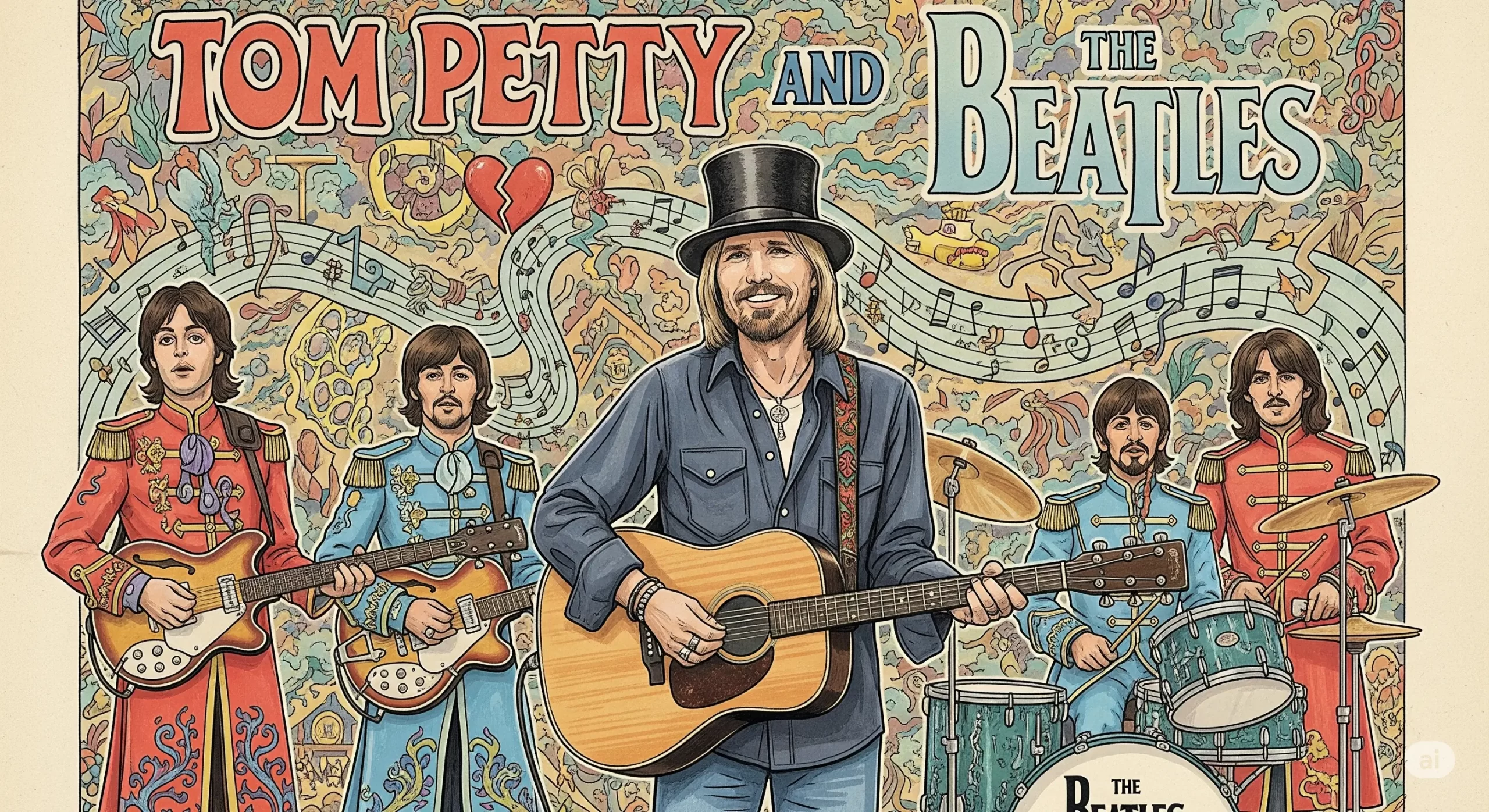
Few artists in rock history have been as open about their influences as Tom Petty, and at the very top of that list stood The Beatles. From the first moment he saw them on The Ed Sullivan Show in 1964, Petty’s musical destiny was sealed. The Fab Four didn’t just spark his career — they gave him a lifelong framework for songwriting, recording, and even the way he viewed music as an art form.
A Life-Changing Night in 1964
Like millions of Americans, Petty tuned in to watch The Beatles’ U.S. television debut on February 9, 1964. For him, it was nothing short of a revelation. Years later, he described that night as an almost spiritual awakening:
“Most magic is a trick, an illusion. But when The Beatles played the Ed Sullivan Show, this was real. Man oh man, was it real. I think the whole world was watching that night. It certainly felt that way – you just knew it, sitting in your living room, that everything around you was changing. It was like going from black-and-white to colour.”
The performance didn’t just inspire him; it set him on a path that would eventually make him one of America’s most celebrated songwriters.
Discovering Meet The Beatles!
Shortly after that broadcast, Petty used what little money he had to buy a copy of Meet The Beatles! — an album that instantly became a cornerstone of his musical education. Speaking to Music Radar, he recalled how owning the record became a rite of passage:
“You either had a copy of Meet The Beatles or you didn’t, and if you didn’t, it was like something was wrong with you. That was the first time an LP was a significant thing. Up till then people only bought singles. But with Meet The Beatles, that was a record you really wanted to listen to – both sides of it.”
That early love for The Beatles never faded. Even as Petty’s style evolved with his own band, their influence remained etched into his music.
The Beatles’ Touch on ‘Breakdown’
When Petty began recording his debut album Tom Petty and the Heartbreakers in 1976, he once again looked to The Beatles for inspiration. During the sessions, the band struggled to settle on a rhythm for “Breakdown,” a song Petty had quickly composed on piano at Shelter Studios in Hollywood.
He explained in an interview with Performing Songwriter:
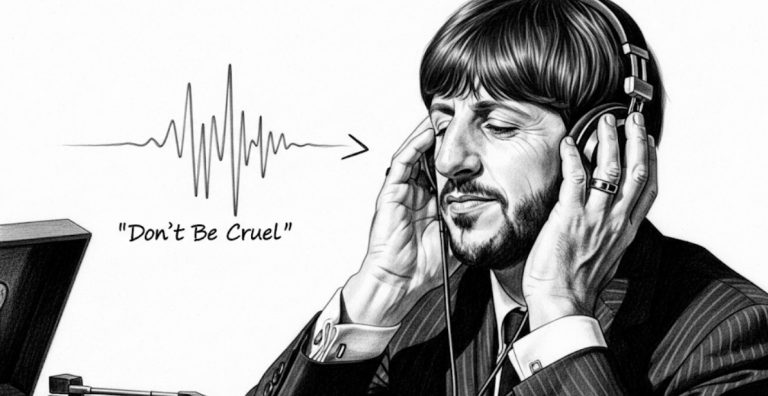
“I think we got the drumbeat from a Beatles record, ‘All I Got To Do.’ We just varied it. That was the idea, to have that kind of broken rhythm on the hi-hat.”
The Beatles’ influence wasn’t copied directly, but their rhythmic sensibility gave Petty’s band the creative breakthrough they needed. That subtle inspiration transformed “Breakdown” into one of their most defining early tracks — a short, sharp, and unforgettable introduction to Tom Petty and the Heartbreakers.
Writing in the Moment
Unlike many of Petty’s later compositions, “Breakdown” wasn’t meticulously crafted over weeks or months. Instead, it came together quickly and naturally. He remembered:
“I wrote it on a break from recording. We had recorded everything we had, and I made up ‘Breakdown.’ I wrote it on the piano. I still have that piano. Many years later, it’s sitting in my living room.”
Once presented to the band, the song instantly clicked, and with the Beatles-inspired rhythm in place, it became a highlight of their debut record.
From Inspiration to Legacy
Though The Beatles’ fingerprints on “Breakdown” are subtle, their spirit runs deep. Petty would continue to reference them as touchstones throughout his career. This influence became even more personal in the late 1980s, when he formed the Traveling Wilburys alongside George Harrison, Bob Dylan, Roy Orbison, and Jeff Lynne — a dream collaboration that brought him full circle with one of his original heroes.
For Petty, The Beatles were never just an early influence; they were lifelong companions in his musical journey. From that fateful night on television to his own chart-topping success, their presence was always there, quietly guiding him.
“Breakdown” remains one of the clearest examples of how even the smallest spark from The Beatles could shape a timeless classic — a reminder that their influence extends far beyond their own catalog, living on in the work of those they inspired.