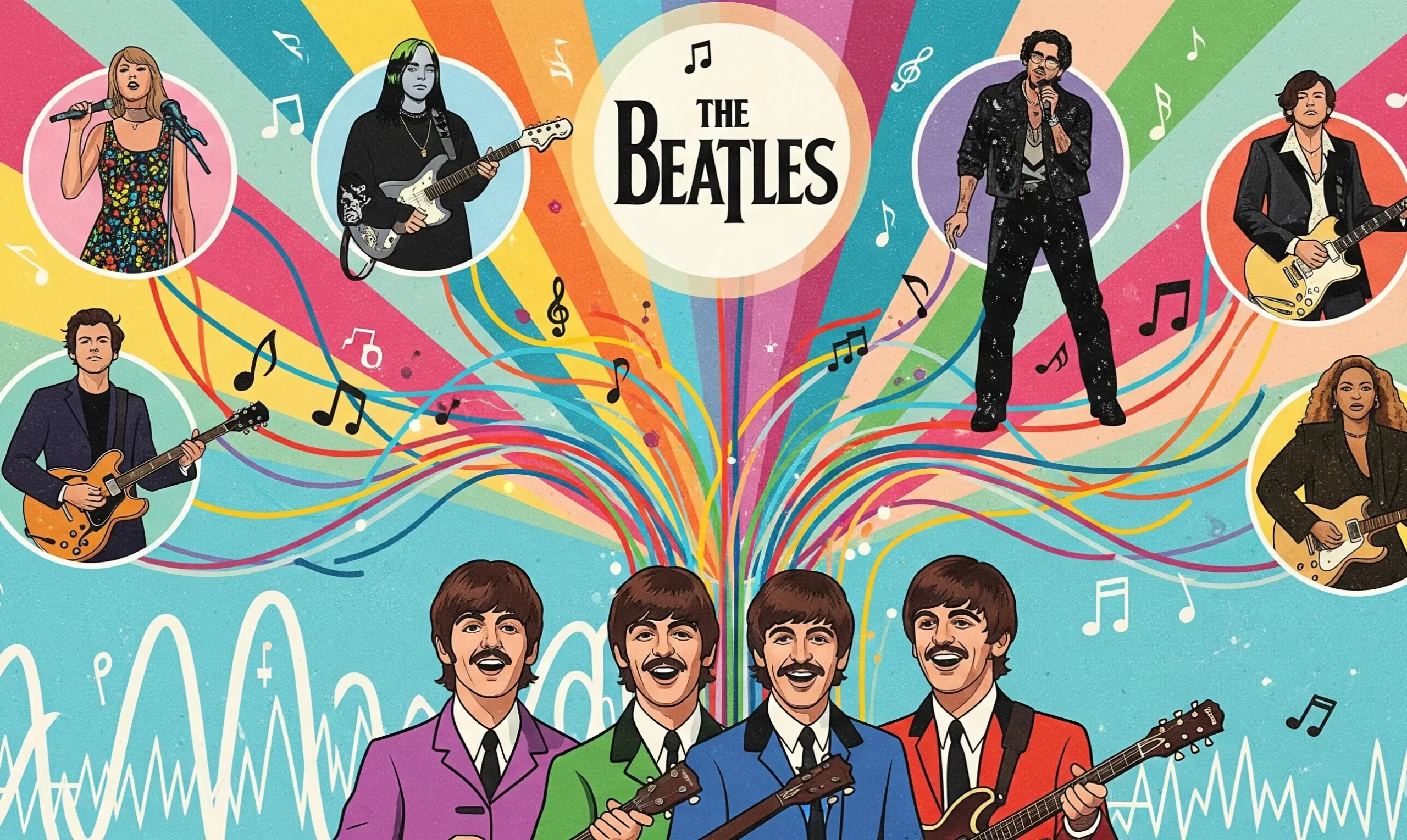
How The Beatles Influenced Today’s Pop Stars: A Lasting Musical Legacy
When The Beatles burst onto the scene in the early 1960s, they didn’t just top the charts—they changed the rules of the music game. With innovative songwriting, boundary-pushing albums, and a keen sense of style and branding, The Beatles redefined what it meant to be a pop star.
More than 60 years later, their influence is still everywhere. From Taylor Swift’s storytelling to Harry Styles’ fashion choices, and even Billie Eilish’s musical experimentation, today’s biggest pop stars continue to draw inspiration from the Fab Four.
In this article, we’ll explore how The Beatles shaped modern pop music and left a legacy that continues to inspire generations of artists.
1. Songwriting as Self-Expression: The Lennon-McCartney Blueprint
Before The Beatles, it was rare for performers to write their own songs. The industry was dominated by professional songwriters in places like the Brill Building.
But with John Lennon and Paul McCartney’s partnership, everything changed. They wrote about love, loss, identity, politics, and spirituality. This encouraged future artists to write their own music as a form of self-expression.
🎤 Modern Influence:
- Taylor Swift and Ed Sheeran cite the Beatles as songwriting influences.
- Olivia Rodrigo’s confessional lyrics echo the emotional honesty of Beatles ballads like “Yesterday” and “For No One.”
2. Album as Art: Not Just a Collection of Songs
With albums like Sgt. Pepper’s Lonely Hearts Club Band, Revolver, and The White Album, The Beatles transformed albums into cohesive artistic statements.
They moved beyond singles and started using albums to explore themes, moods, and sonic landscapes. This concept paved the way for the “album experience” we see today.
🎧 Modern Influence:
- Beyoncé’s Lemonade and Kendrick Lamar’s DAMN. follow thematic, conceptual blueprints.
- Artists now plan visual albums, interludes, and unified aesthetic themes—just like The Beatles did in the late ’60s.
3. Studio Innovation: The Beatles Walked So Others Could Fly
The Beatles were pioneers of studio experimentation. With producer George Martin, they introduced:
- Backward tapes
- Double-tracking vocals
- String quartets and sitars
- Layered sound collages
These were unheard-of in mainstream pop at the time and gave birth to countless modern production techniques.
🎛 Modern Influence:
- Billie Eilish and Finneas use non-traditional sounds and whispery vocals—an echo of the experimentation heard in Tomorrow Never Knows.
- Tame Impala’s psychedelic textures owe much to Beatles’ studio work.
4. Genre-Blending and Risk-Taking
The Beatles weren’t afraid to switch styles—from pop and rock to Indian classical, baroque, folk, and even avant-garde sound collages. This gave artists permission to explore new genres without being boxed in.
🎸 Modern Influence:
- Harry Styles’ album “Fine Line” blends pop, folk, and classic rock—clear Beatles influence.
- Doja Cat jumps between hip-hop, funk, R&B, and pop in one project, much like The White Album explored multiple musical directions.
5. Fashion and Image Evolution
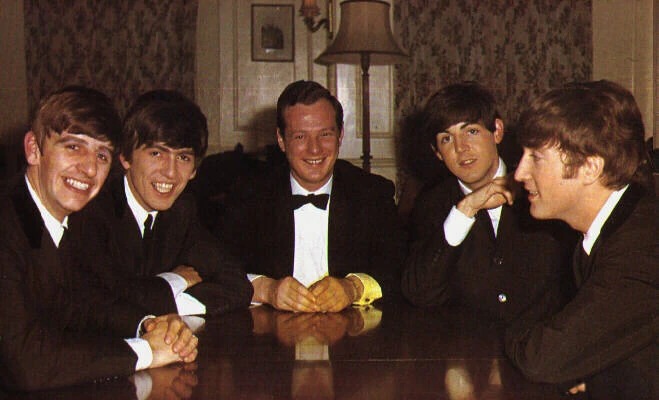
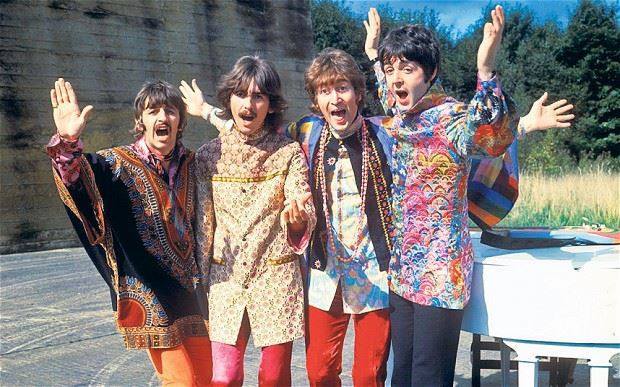
The Beatles constantly reinvented their public image—from the clean-cut suits of Beatlemania to the psychedelic fashion of the late 60s. They understood the power of visual identity and branding long before it became a pop standard.
👔 Modern Influence:
- Lady Gaga, Lil Nas X, and Harry Styles use fashion as artistic expression in the same spirit as late-era Beatles.
- BTS, one of today’s biggest global acts, frequently cite The Beatles as a visual and musical inspiration.
6. Global Stardom and Fan Culture
The term “Beatlemania” was created to describe the unprecedented frenzy The Beatles inspired among fans. Their global appeal was a blueprint for the modern pop idol phenomenon.
🌎 Modern Influence:
- The fandom culture surrounding artists like BTS, Ariana Grande, and Justin Bieber mirrors Beatlemania.
- The Beatles were also the first to understand the importance of media control, messaging, and managing a global image—a playbook used by modern stars and their teams.
7. Social and Political Engagement
From “Revolution” to “All You Need Is Love”, The Beatles used their platform to speak about love, peace, war, and spirituality. They normalized artists using their voice for change.
🕊 Modern Influence:
- Halsey, Beyoncé, and Childish Gambino create politically conscious art that challenges social norms.
- Many artists now use their fame to advocate for mental health, LGBTQ+ rights, racial justice, and more—just like The Beatles supported peace and counterculture in the 60s.
8. Legacy of Timelessness
Many pop stars aim to create music that lasts beyond trends—a standard set by The Beatles. Their songs are still covered, sampled, and streamed millions of times per month across the world.
🎼 Modern Influence:
- Adele, Bruno Mars, and Sam Smith cite The Beatles for inspiring timeless melodies and honest lyrics.
- Spotify’s Beatles streams are in the hundreds of millions per year, and their impact grows with each new generation.
Conclusion: The Beatles Still Reign in Pop
The Beatles may have ended as a band in 1970, but their influence is eternal. Every time a pop artist writes from the heart, experiments with sound, or uses fashion to express identity, they walk in the footsteps of John, Paul, George, and Ringo.
Today’s pop stars might dominate TikTok, YouTube, and streaming charts—but their DNA is full of Beatles influence.
Whether it’s the structure of their songs, their dedication to reinvention, or their deep connection with fans, The Beatles built the blueprint for modern stardom.
Suggested Reading
- 🎵 The Beatles Anthology by The Beatles
- 📀 Here, There and Everywhere by Geoff Emerick (Beatles’ recording engineer)
- 📘 Dreaming the Beatles by Rob Sheffield
FAQs
Q: Which modern artists are most influenced by The Beatles?
A: Artists like Taylor Swift, Harry Styles, Billie Eilish, Ed Sheeran, and even BTS have cited The Beatles as major influences.
Q: Do Gen Z artists still care about The Beatles?
A: Yes. The Beatles are studied, sampled, and streamed by younger generations. Their timeless sound and innovation continue to inspire.
Q: How did The Beatles change the music industry?
A: They changed how music was written, produced, and sold—introducing the album as art, studio experimentation, artist-led songwriting, and global branding.